BPMN Benefits Shared Language and Process Modeling
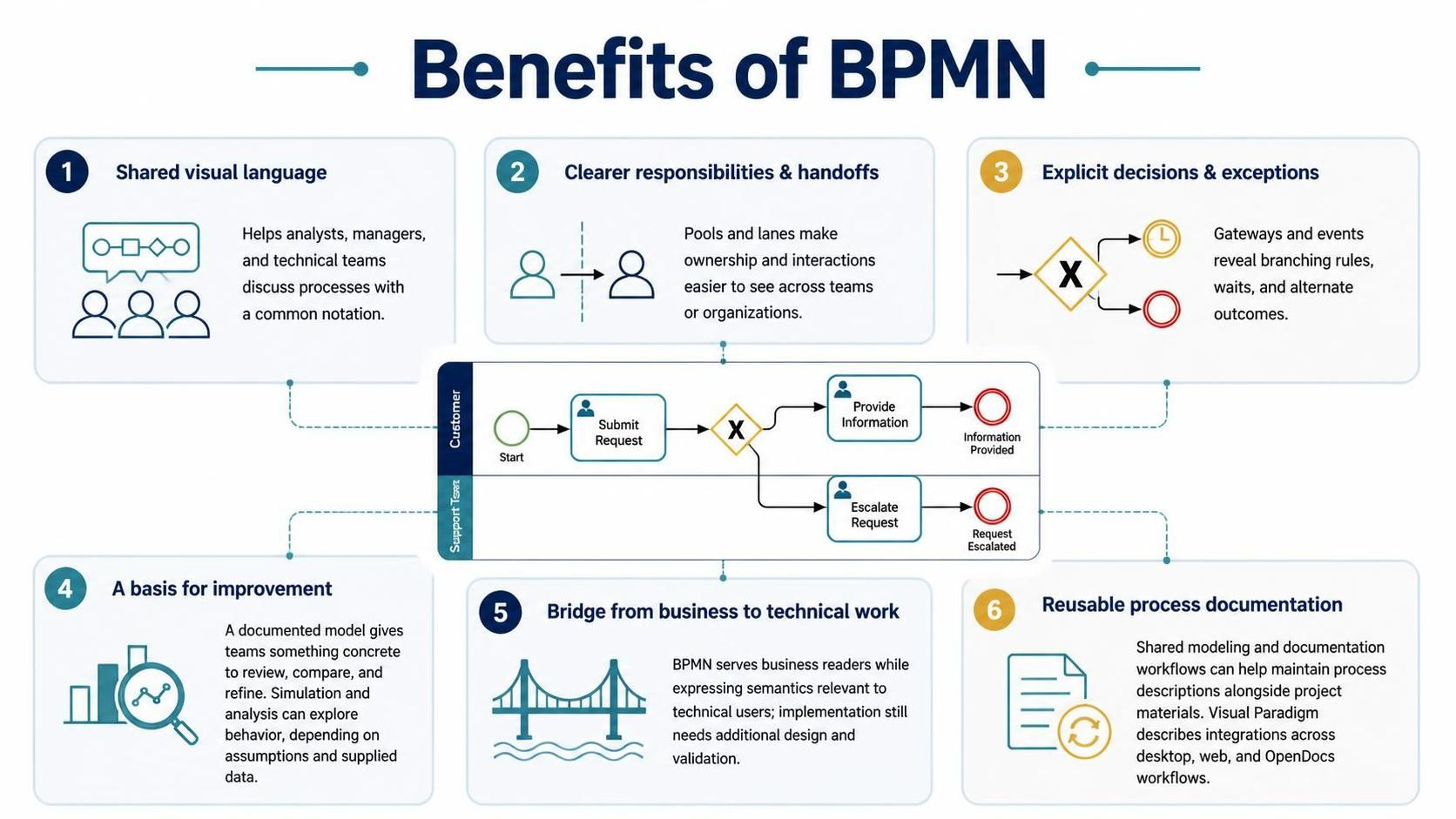
The infographic outlines six core benefits of BPMN, illustrating how it provides a shared visual language, clarifies responsibilities through pools and lanes, specifies decisions via gateways, enables improvement through simulation, bridges business-to-technical communication, and supports reusable documentation across systems like OpenDocs. A central BPMN diagram demonstrates customer and support team workflows with start events, user tasks, XOR gateways, and end events to exemplify these advantages.
Benefits of BPMN Notation for Process Modeling
The infographic details six key benefits of Business Process Model and Notation (BPMN), including shared visual language, clearer responsibilities, and explicit decision handling, illustrated by a central Customer-to-Support Team workflow diagram demonstrating start events, gateways, and task pools.
Mastering Visual Design with VPasCode: A Guide to Supported Formats and Modeling Concepts
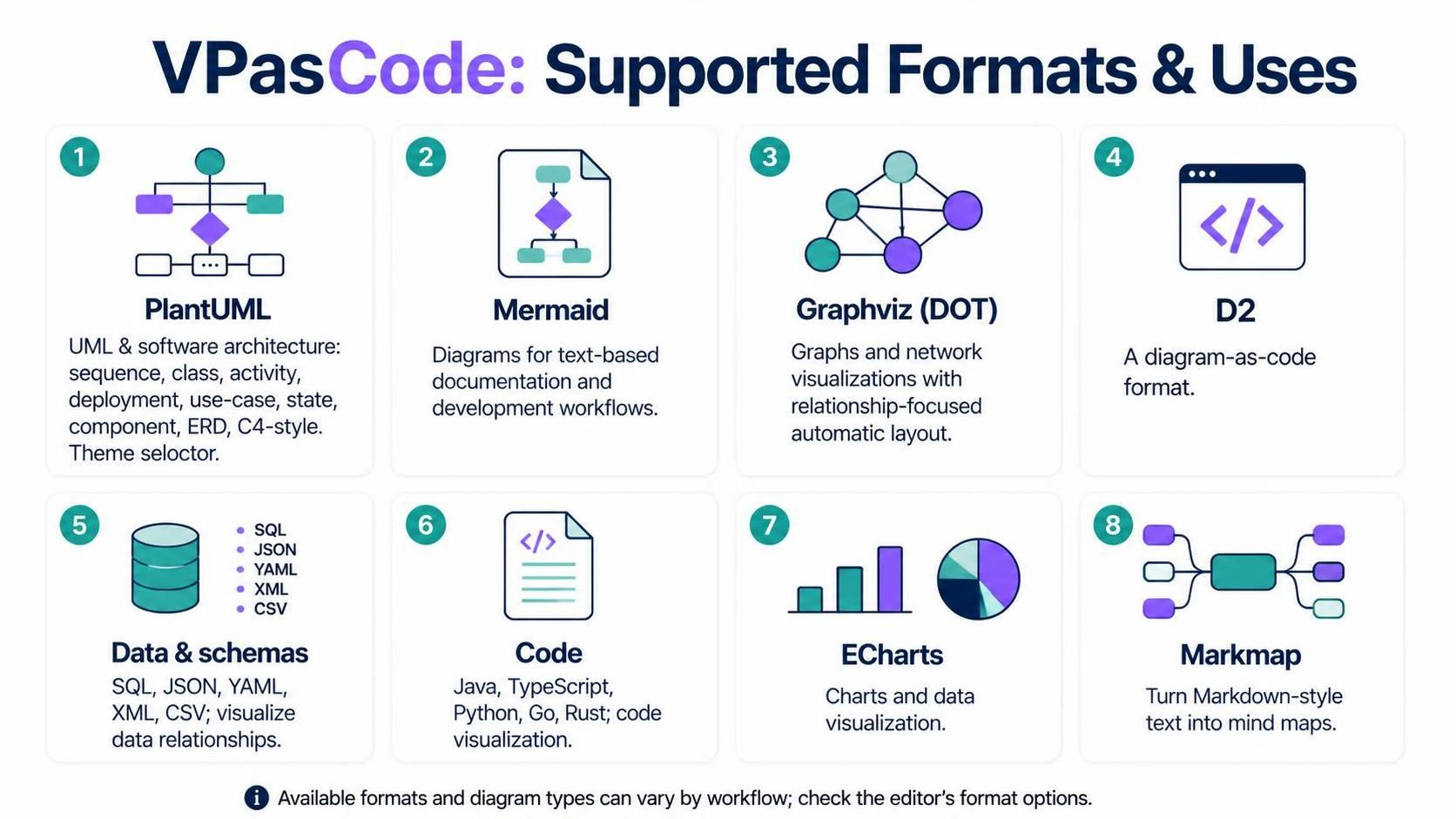
Master VPasCode visual design by learning to leverage PlantUML, UML diagrams, and data visualization to translate complex system architecture into clear, code-driven representations.
Mastering UML Profiles with VPasCode: Extending Standard Diagramming
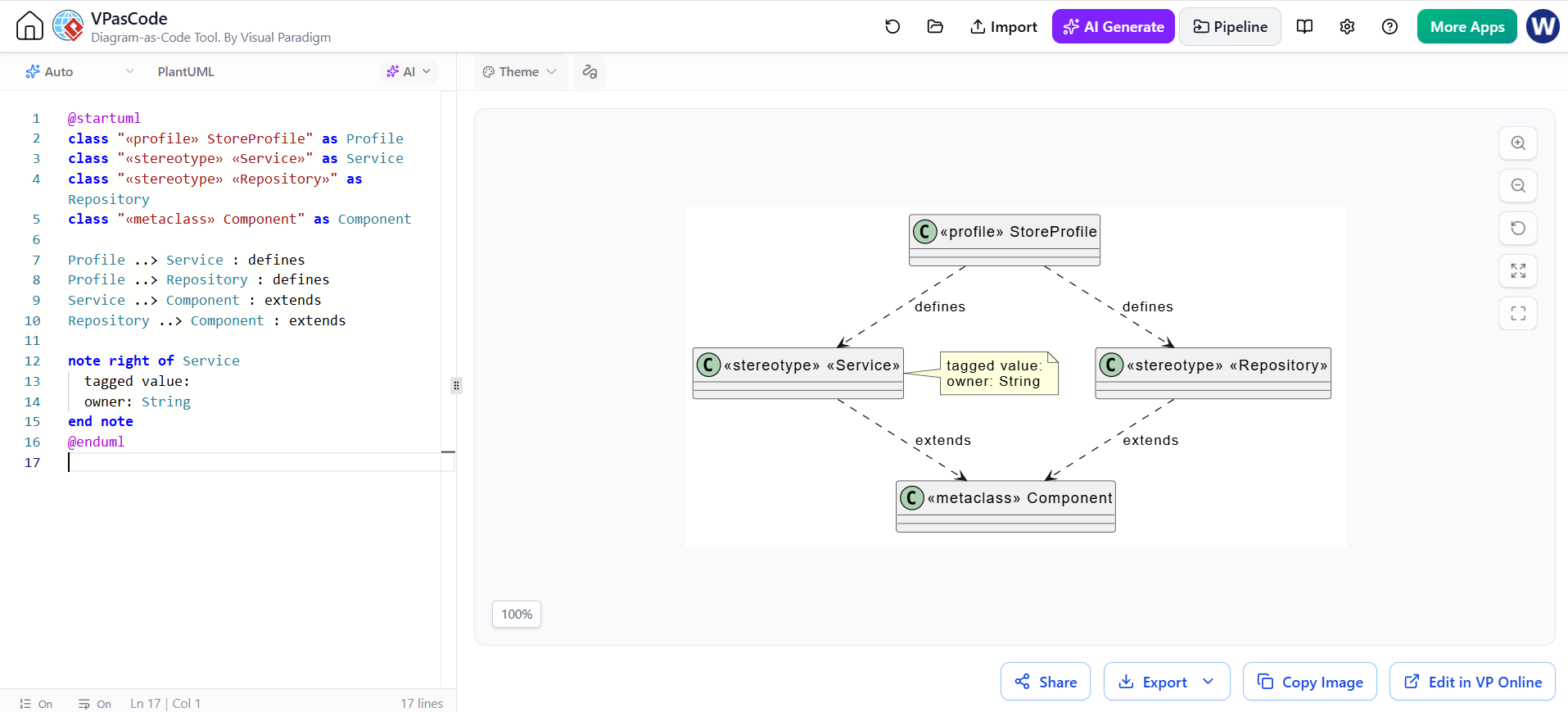
Learn to extend UML with VPasCode and PlantUML syntax to define custom profiles, stereotypes, and constraints for domain-specific software architecture.
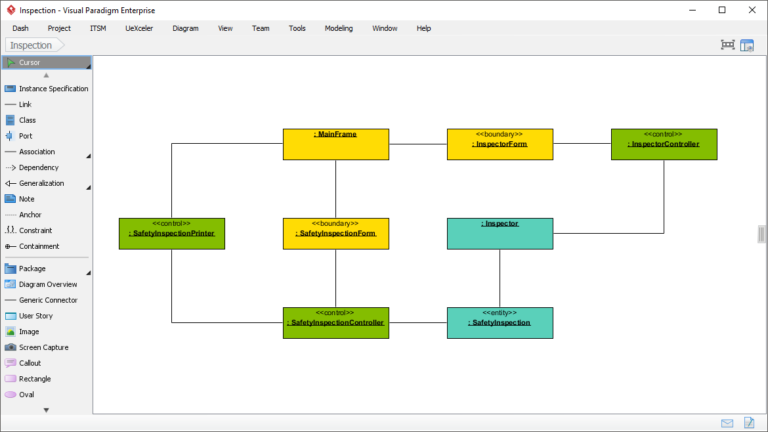
Mastering UML Object Diagrams in Visual Paradigm: UI Architecture Prototyping
Master Object Diagrams in Visual Paradigm to prototype 3-tier UI architecture using MVC patterns, UML instance notation, and boundary-control-entity relationships.
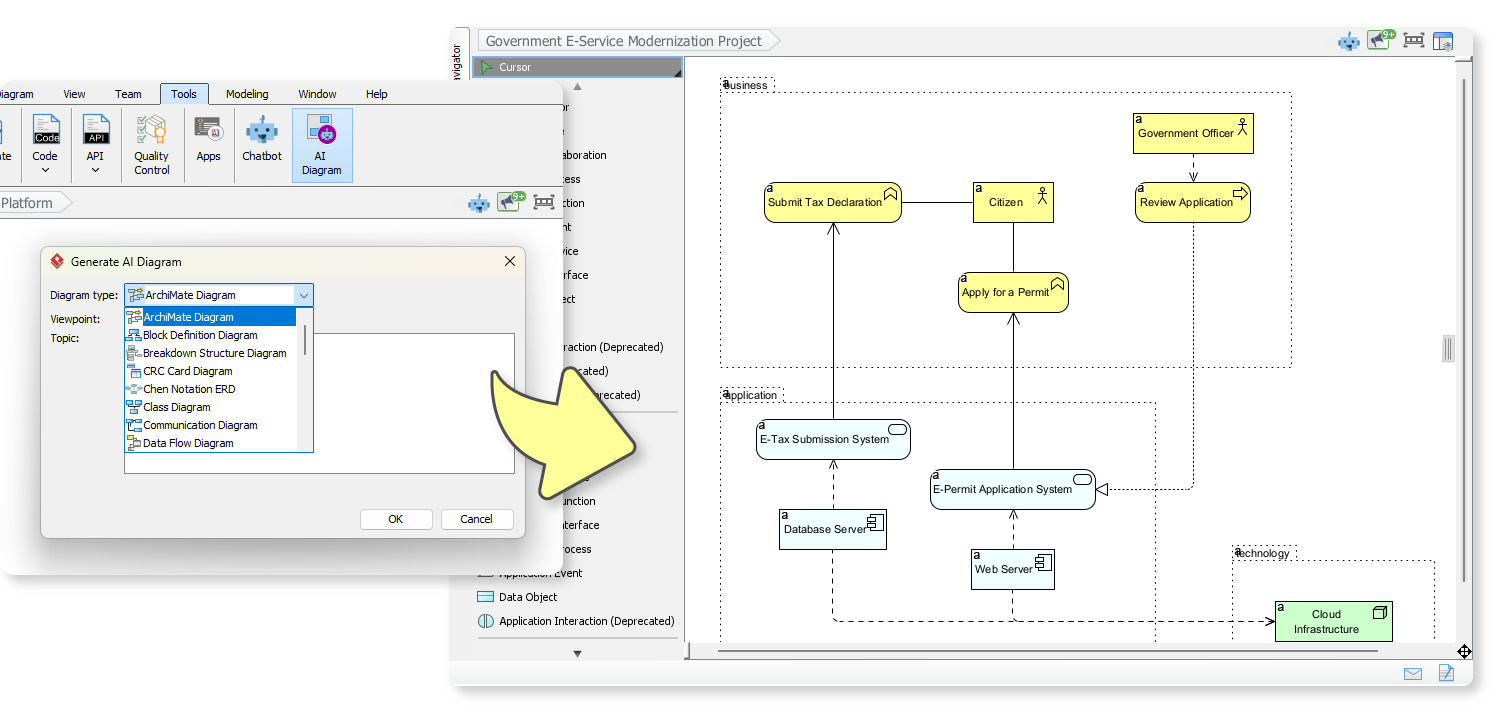
Architecting Gov E-Service Workflows with VP OpenDocs and AI
Learn how AI transforms Government E-Service workflows by generating comprehensive Block Definition Diagrams from text prompts, accelerating Enterprise Architecture modeling for complex system interactions.
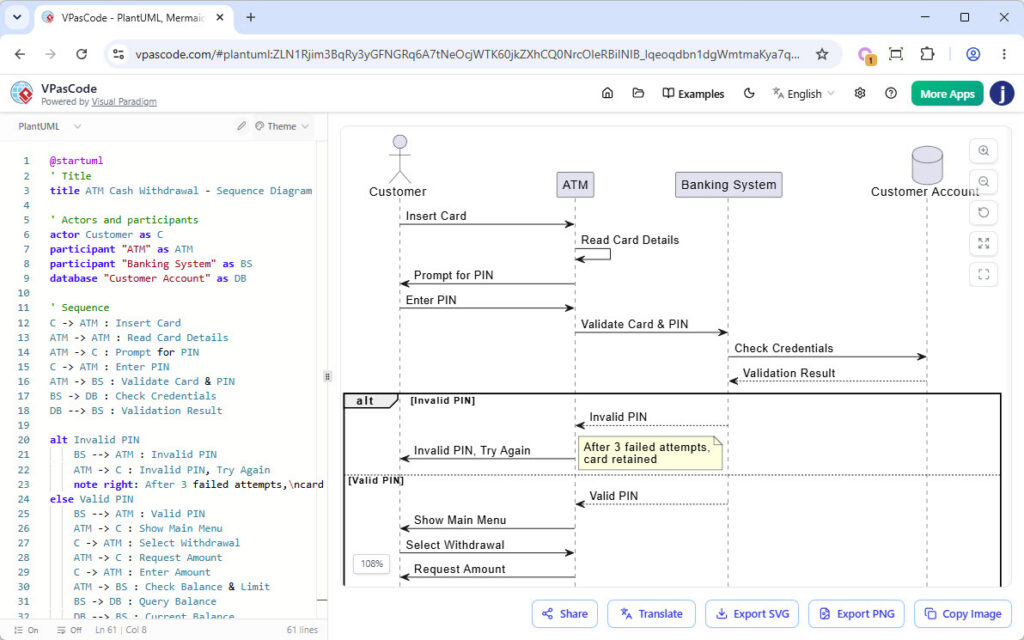
Mastering Sequence Diagrams with VPasCode: Automating ATM Logic
Master sequence diagrams with VPasCode and PlantUML to automate ATM cash withdrawal logic, defining participants and conditional flows for professional software architecture.
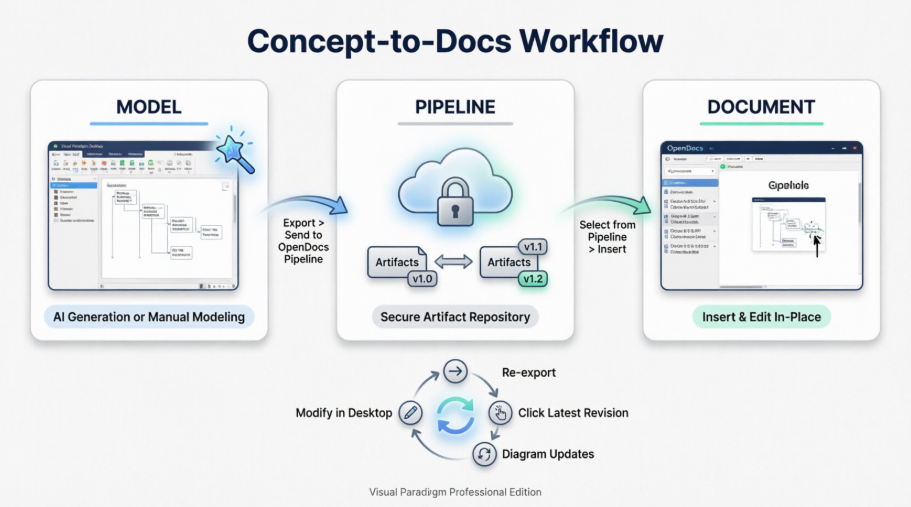
Mastering Concept-to-Docs with Visual Paradigm Pipeline & VP AI Ecosystem
Master the Concept-to-Docs workflow using Visual Paradigm Pipeline to eliminate documentation debt and maintain a single source of truth for your UML models.
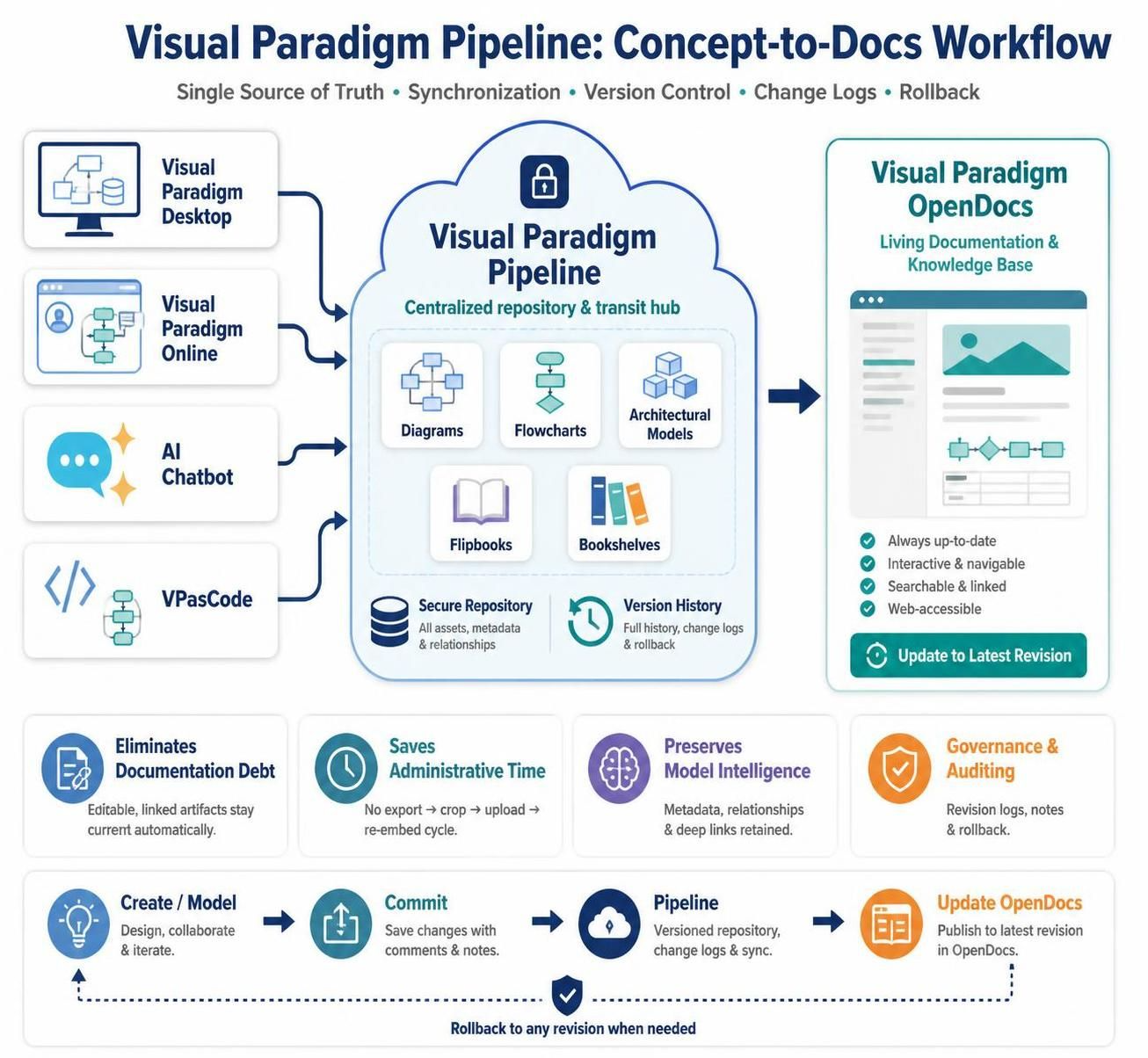
Mastering the Visual Paradigm Pipeline: Building a VP AI Ecosystem for Single Source of Truth
Discover how the Visual Paradigm Pipeline synchronizes Desktop, Online, AI, and code inputs to create a version-controlled source of truth for UML, BPMN, and ERD diagrams.
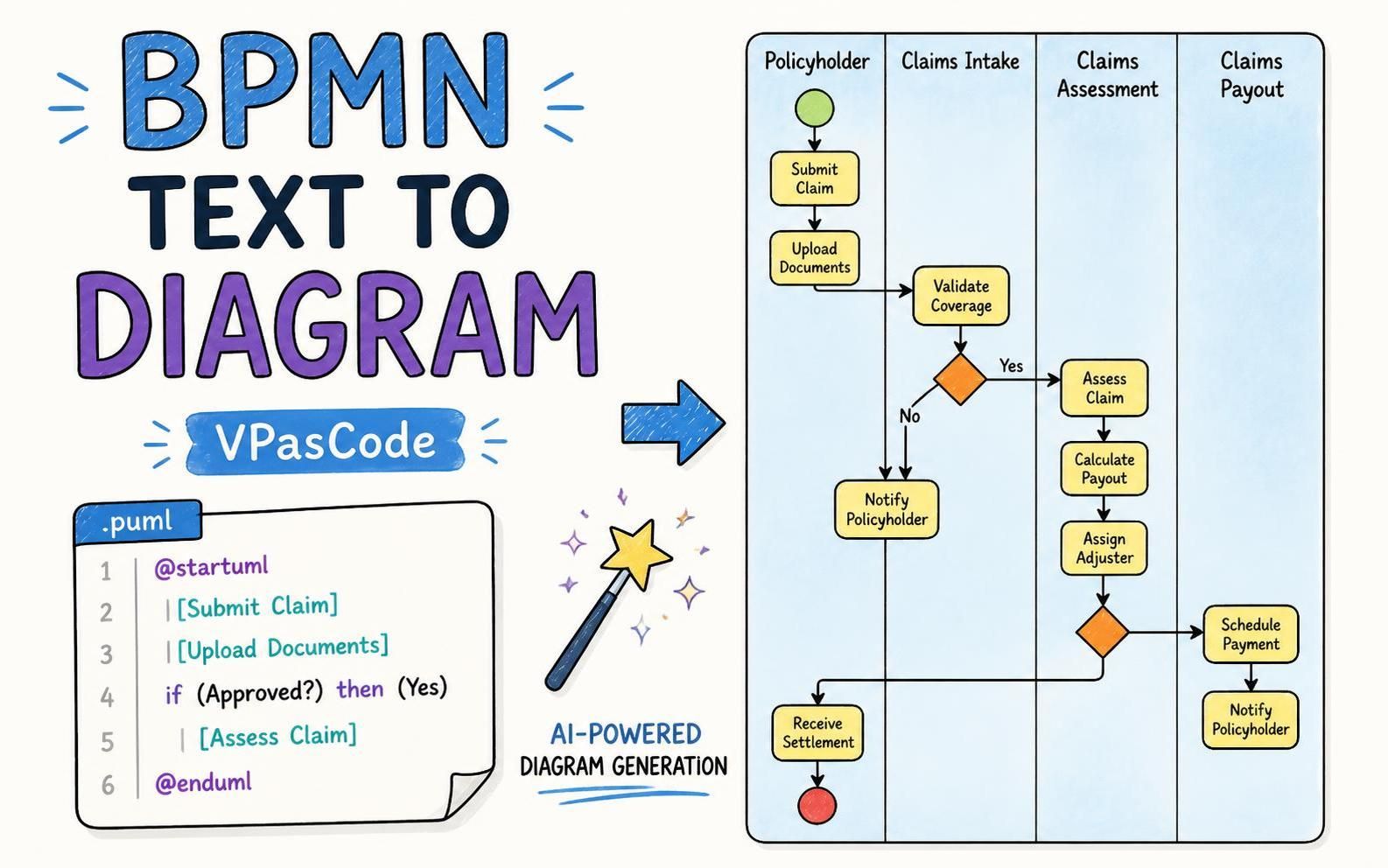
AI-Powered BPMN Diagrams: Mastering VPasCode Text-to-Model Generation
Master BPMN text-to-diagram generation with VPasCode to create compliant, version-controlled models using simple text scripts and AI-powered features.
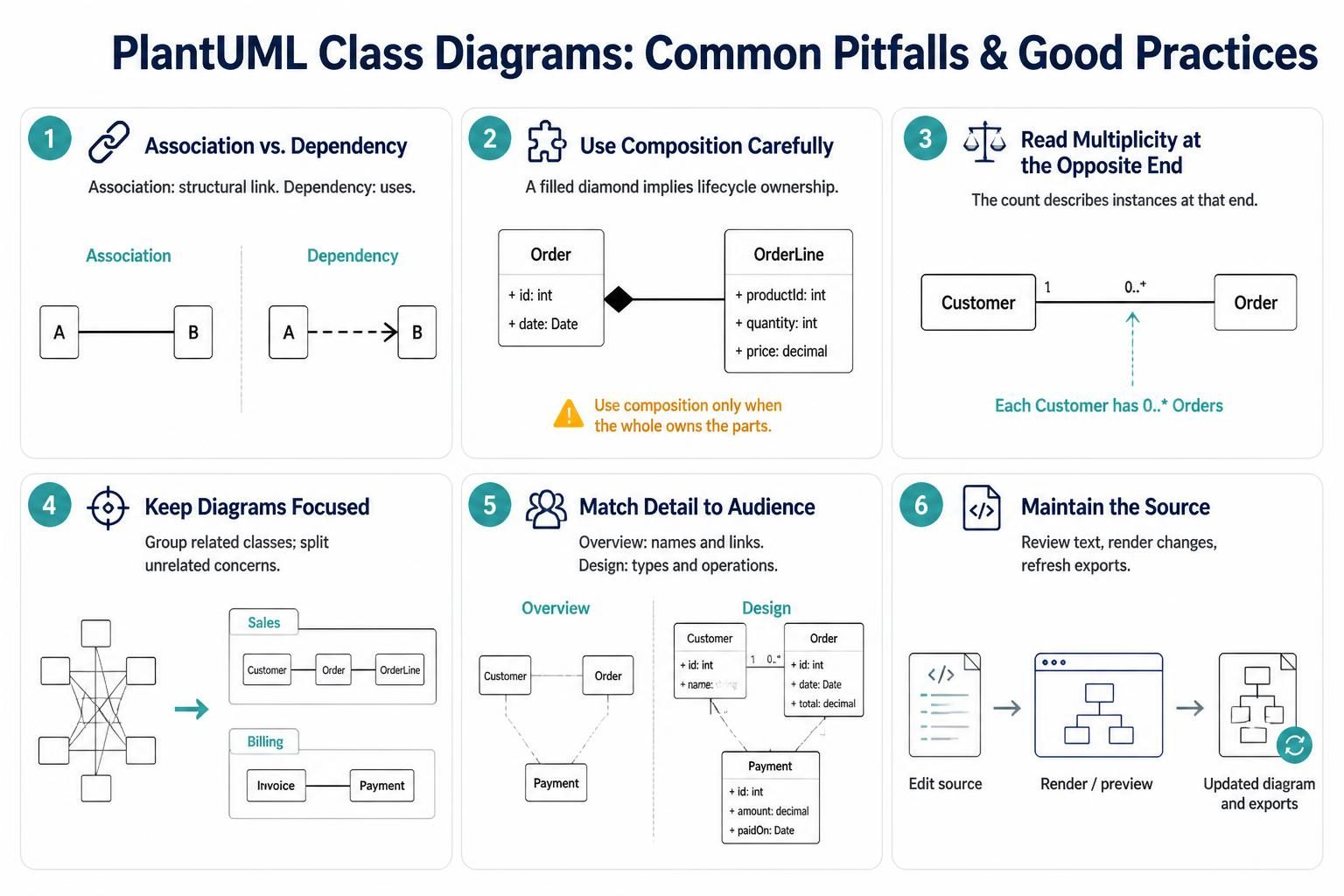
Mastering PlantUML Class Diagrams: Common Pitfalls & Good Practices with VPasCode
Learn to create accurate PlantUML class diagrams by mastering the differences between association and dependency, using composition correctly, and avoiding common modeling pitfalls.
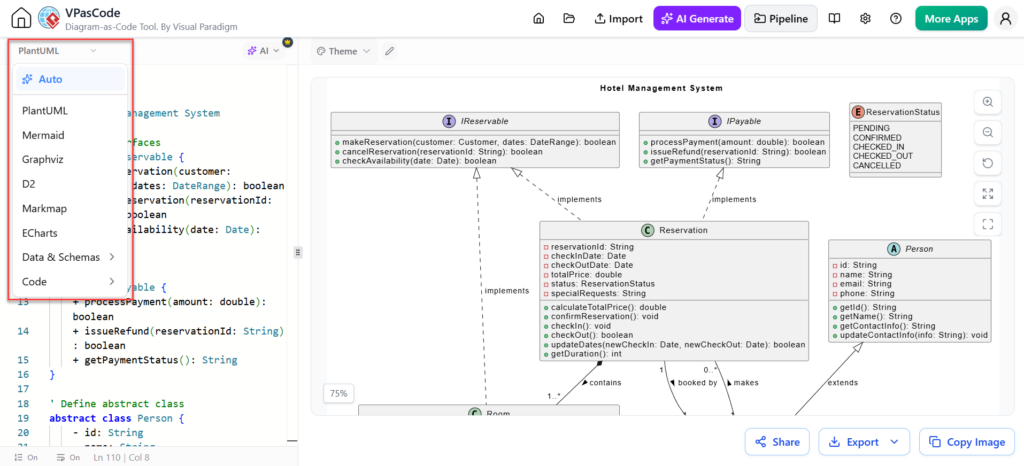
C4 Architecture with VPasCode: Visual Paradigm's AI-Powered PlantUML Workflow
Learn to build dynamic C4 class diagrams with VPaCode and PlantUML, transforming raw text into living documentation that evolves with your codebase.
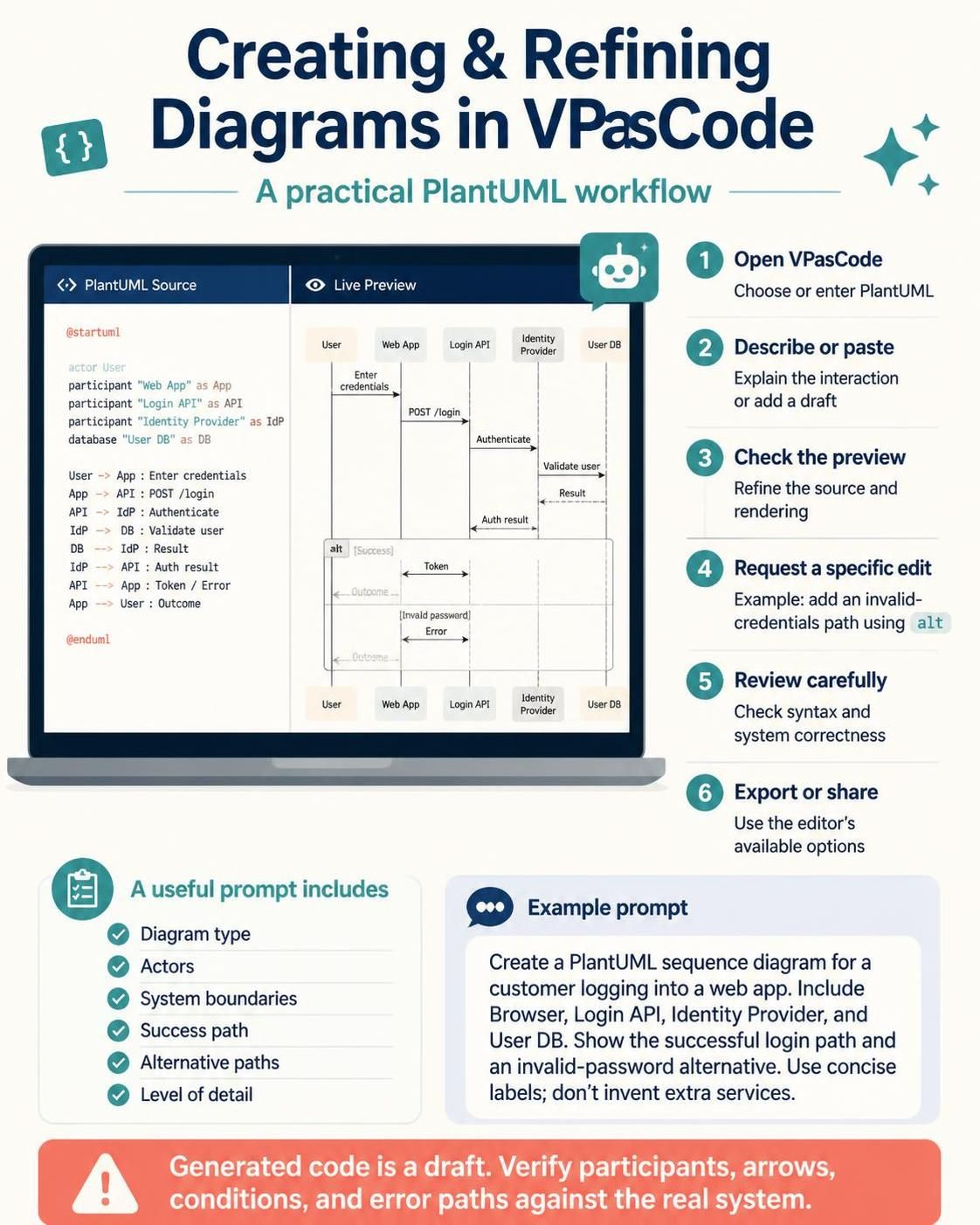
Mastering AI-Assisted Sequence Diagrams with VPasCode and PlantUML
Master AI-assisted sequence diagrams in VPasCode using PlantUML syntax to visualize system interactions, refine logic, and validate complex workflows instantly.
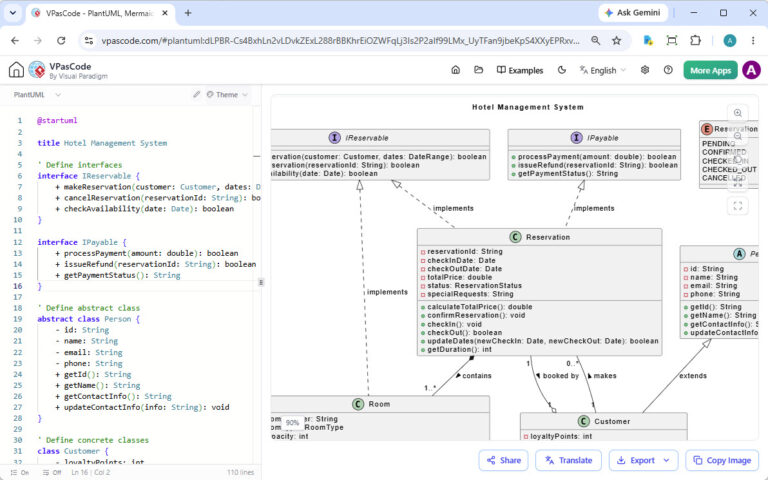
Mastering Unified Modeling Language: Building a Hotel Management System with VPasCode
Learn to build a Hotel Management System using VPasCode and PlantUML by mastering UML interfaces like IReservable and IPayable for robust software architecture.
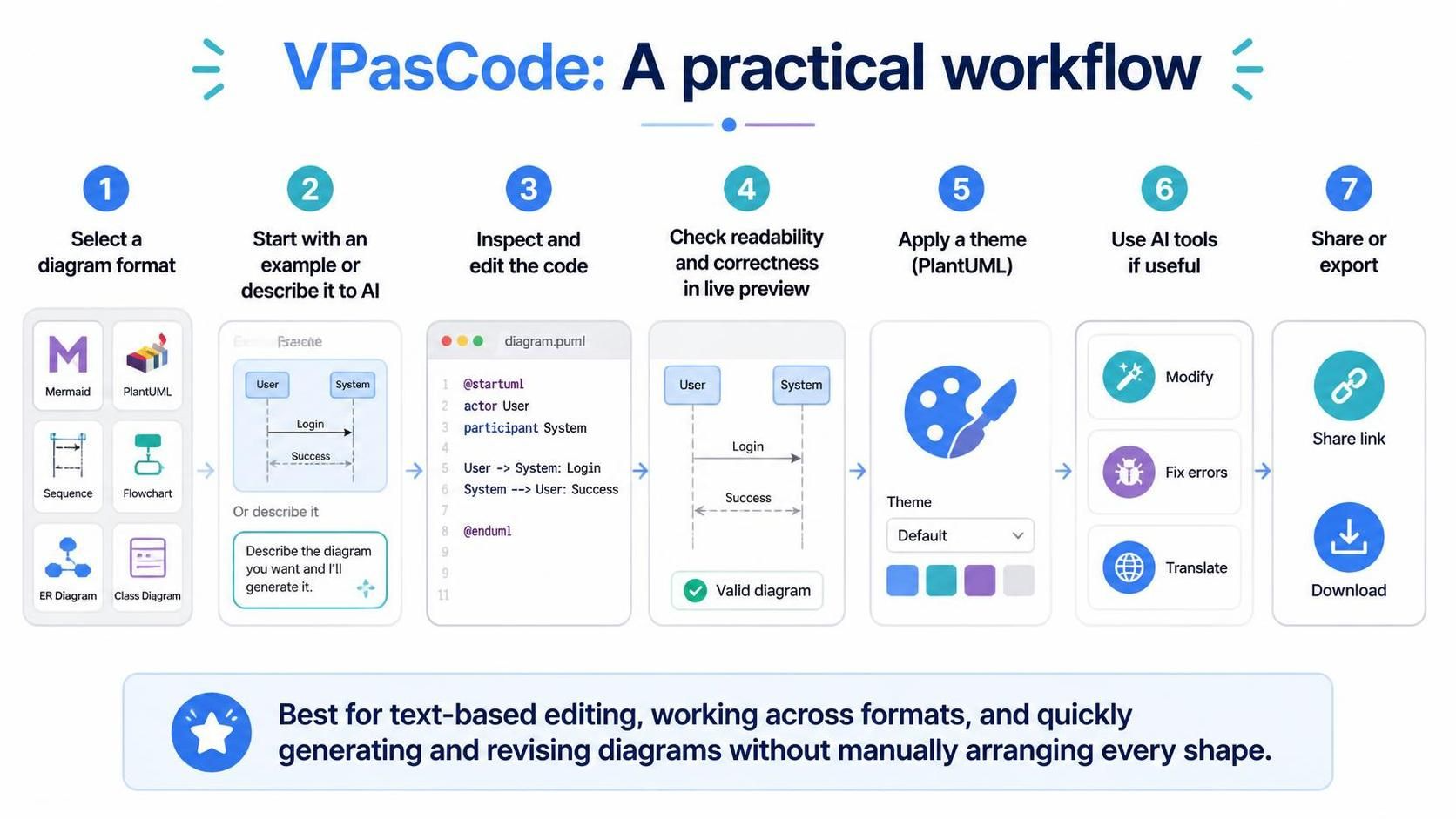
Mastering VPasCode: A Practical UML Workflow for Visual Paradigm
Master the VPasCode workflow to rapidly generate and refine diagrams using AI and languages like PlantUML, Mermaid, and ERD for agile technical documentation.
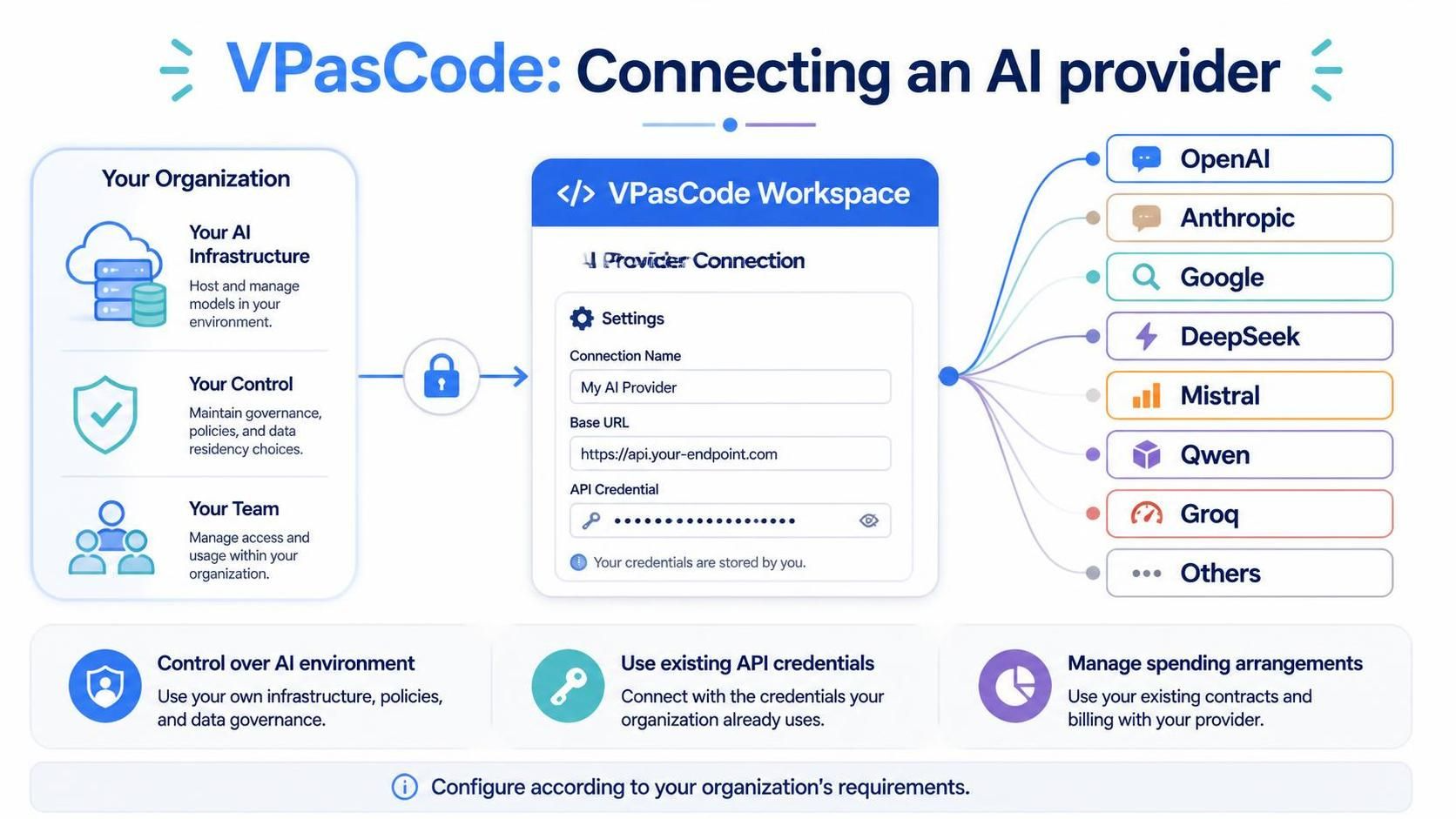
Mastering Enterprise AI: Architecting VPasCode Connections with UML
Learn how VPasCode secures enterprise AI integration by bridging internal infrastructure with external providers while maintaining strict data governance and organizational control.
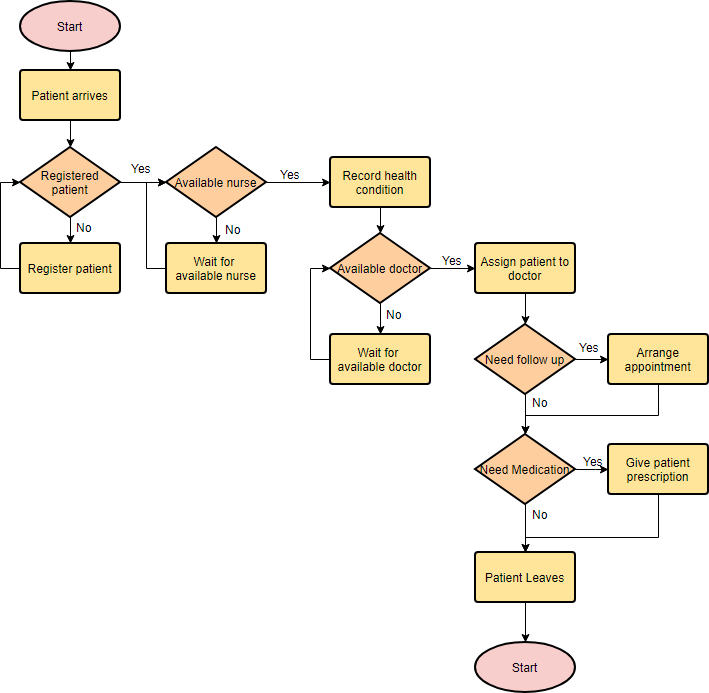
Mastering Healthcare Workflows: Hospital Flowcharts with Visual Paradigm
Master hospital workflow modeling by decoding ANSI/ISO symbols, analyzing logic flows, and optimizing patient journeys using Visual Paradigm.
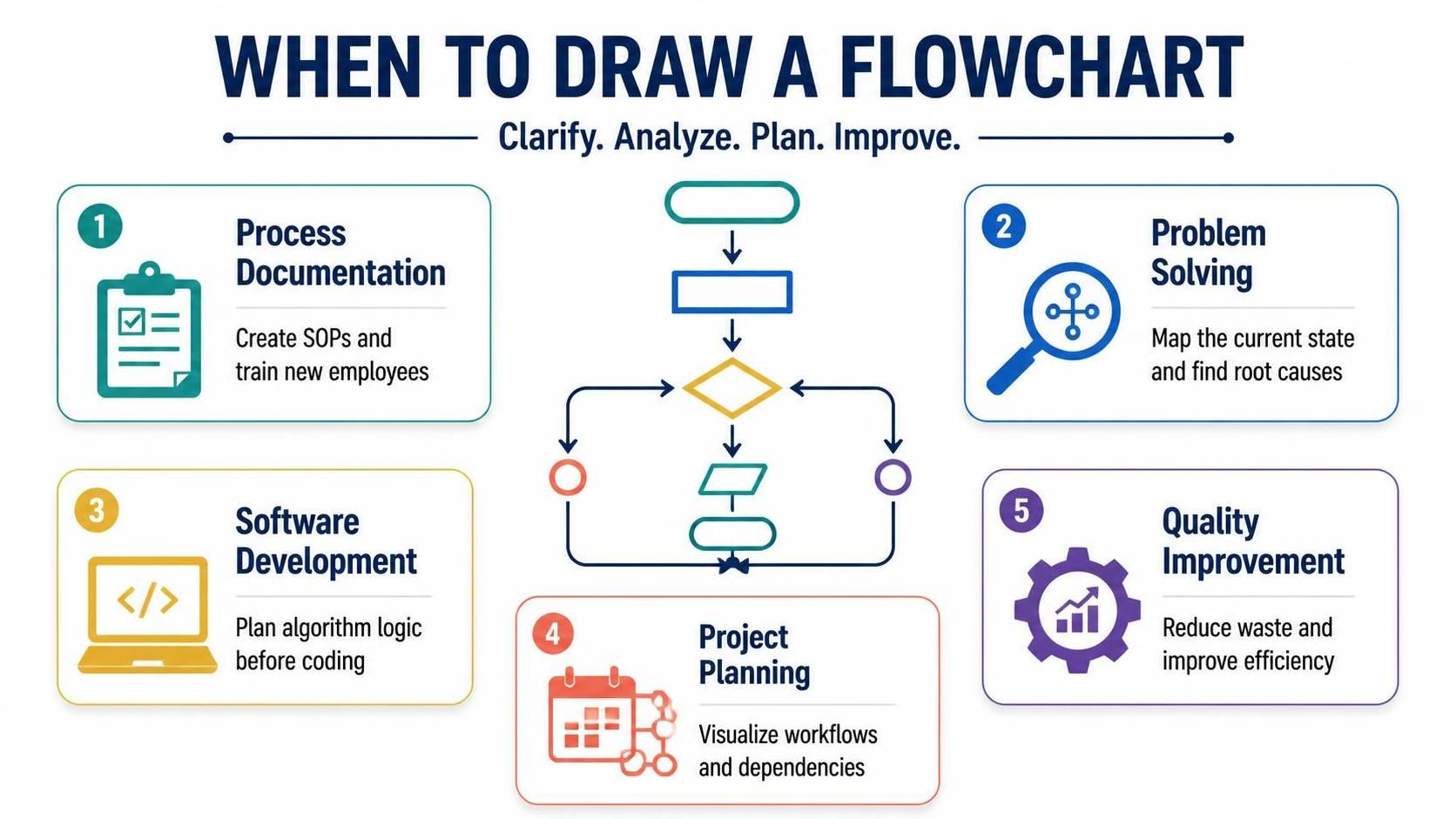
Mastering Flowcharts with Visual Paradigm: Process Documentation and Logic Design
Master flowcharting syntax and strategic scenarios to visualize SOPs and algorithmic logic, transforming abstract processes into clear, actionable blueprints for stakeholders.
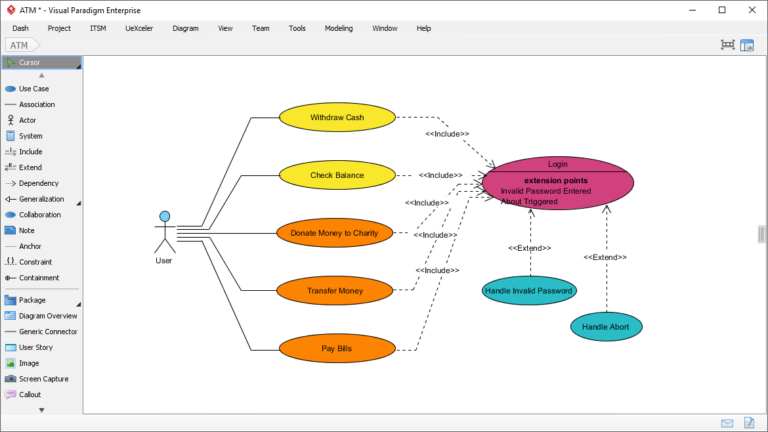
Mastering UML Use Case Modeling in Visual Paradigm: The ATM System Architecture
Master UML use case modeling in Visual Paradigm by building an ATM system architecture, learning actor relationships and key logic patterns like Include and Extend.
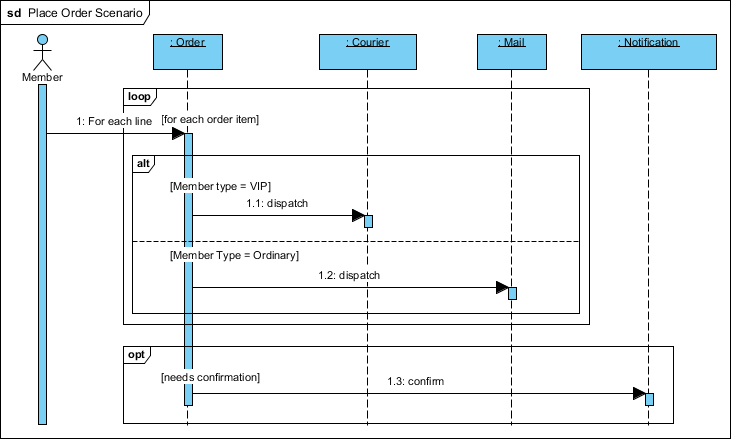
Mastering Business Logic in UML: A Deep Dive into the Order Processing Sequence Diagram
Transform vague business requirements into precise technical blueprints by mastering UML sequence diagrams with Visual Paradigm, loops, and alternative fragments.
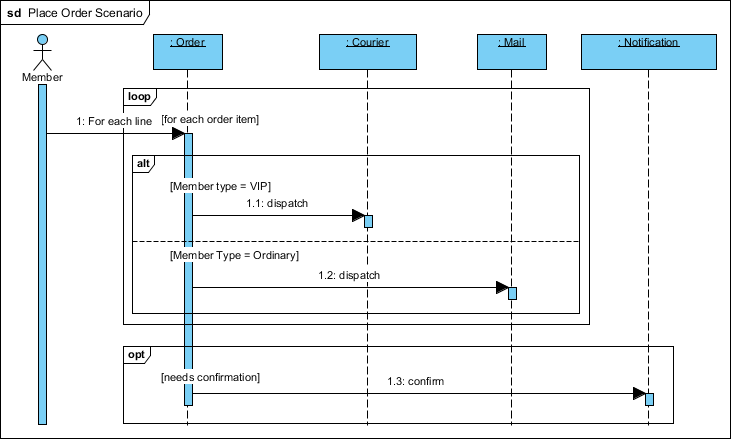
Mastering Complex Order Flows: A Visual Paradigm Guide to UML Sequence Diagrams
Learn to model complex order flows in Visual Paradigm using UML sequence diagrams, loops, and interaction fragments to handle conditional business logic without clutter.
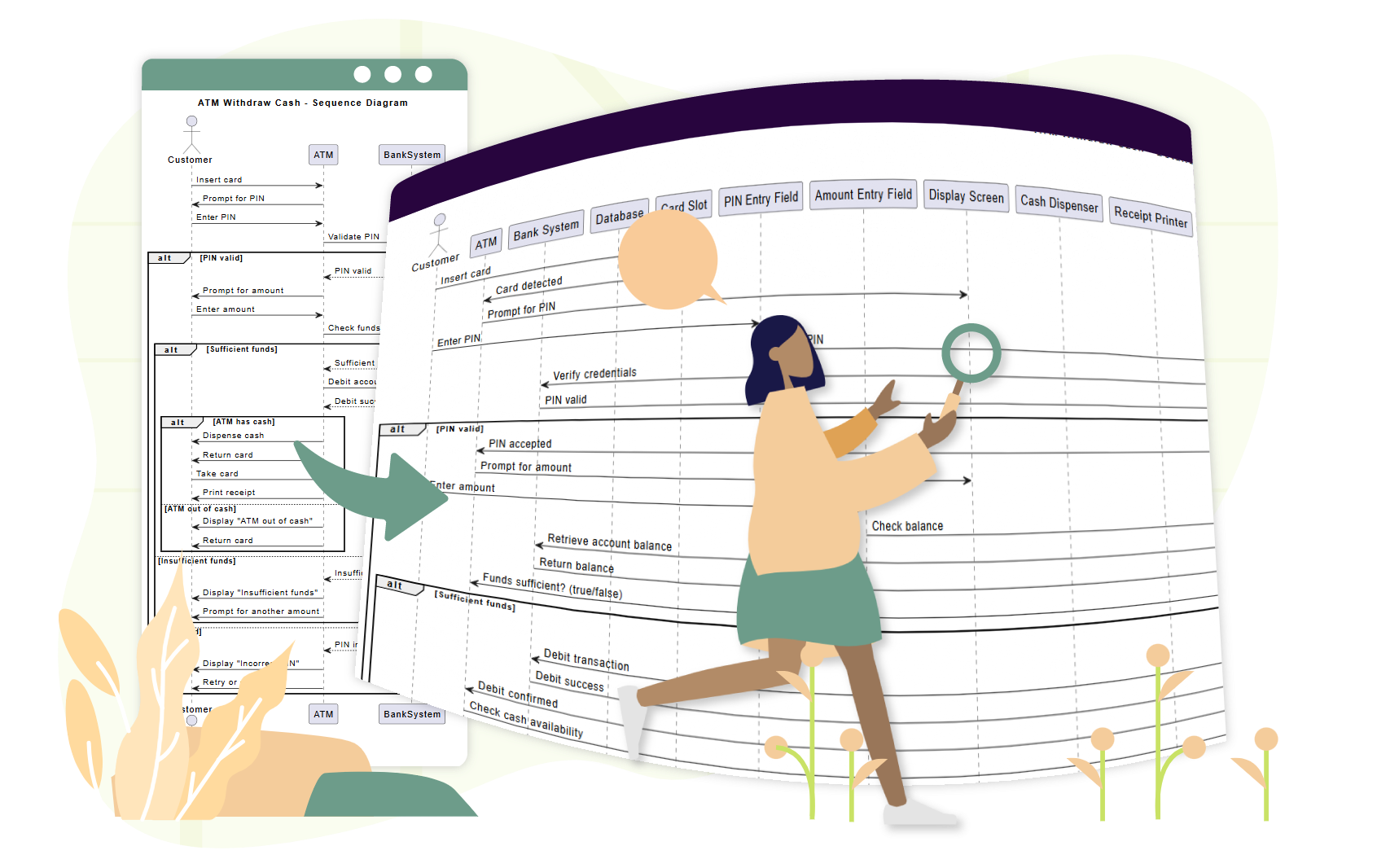
Mastering UML Sequence Diagrams with Visual Paradigm's AI Refinement Tool
Master UML sequence diagrams by leveraging Visual Paradigm's AI Refinement Tool to transform text prompts into editable, multi-layered models with enhanced architectural precision.
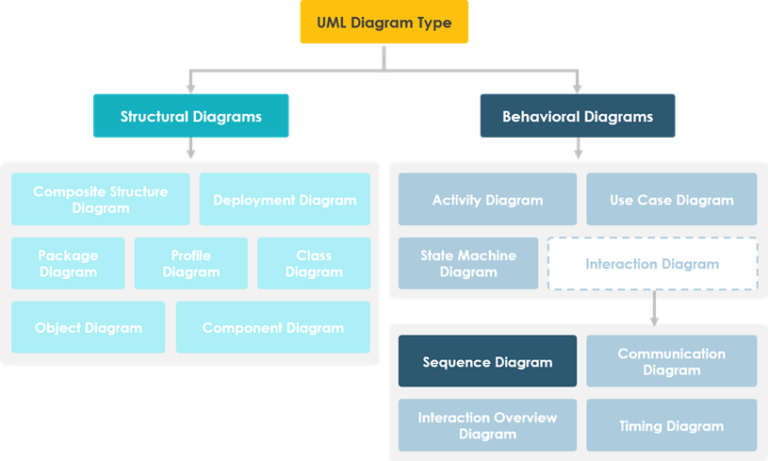
Mastering UML Sequence Diagrams in Visual Paradigm: Modeling Object Interactions
Master UML Sequence Diagrams to model dynamic object interactions, understand key components, and visualize system behavior from requirements to code.
Iterative BPMN Refinement with AI Chatbot: Transforming Agile Modeling
Discover how Visual Paradigm's AI chatbot transforms Agile grooming by replacing manual BPMN modeling with iterative, natural language refinement for faster requirement adaptation.